EDAPI
bee venom collector
A controlled-stimulation system that gets bees to sting glass — safely.
Why this matters
A beekeeper learned from his daughters — biology students — that bee venom (apitoxin) is being studied as a treatment for rheumatoid arthritis. He wanted to expand his apiary business into apitoxin harvesting, but couldn't find affordable collection equipment. Commercial alternatives were scarce, expensive, and not designed for field conditions.
He approached us through a personal connection with one of Trihton's co-founders. The challenge was three-fold:
- Get bees to sting on demand, into a controlled surface, without harming them
- Survive the field — outdoor apiaries with no power infrastructure, rough handling, dust
- Be affordable enough for an independent beekeeper, not a pharma lab
How I solved it
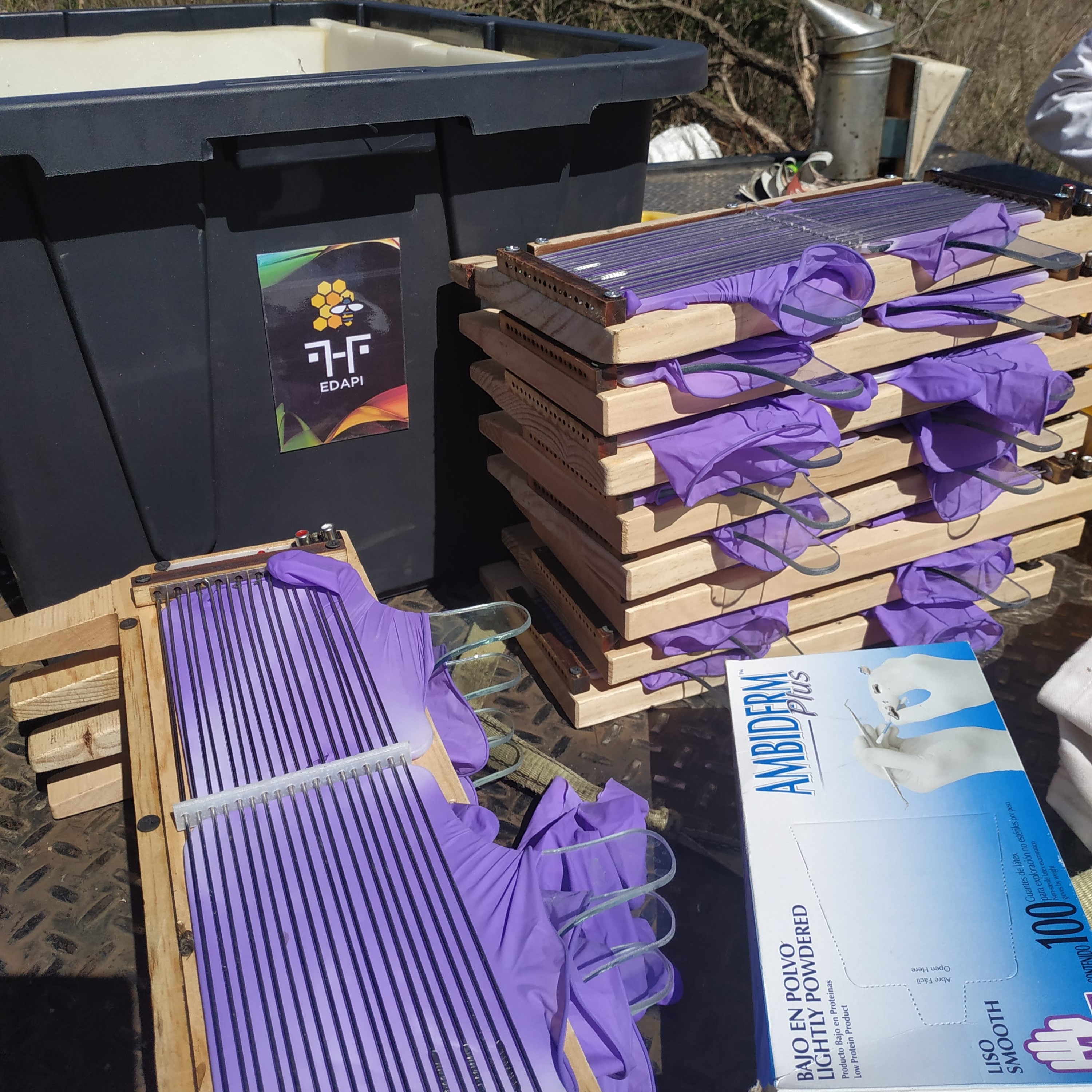
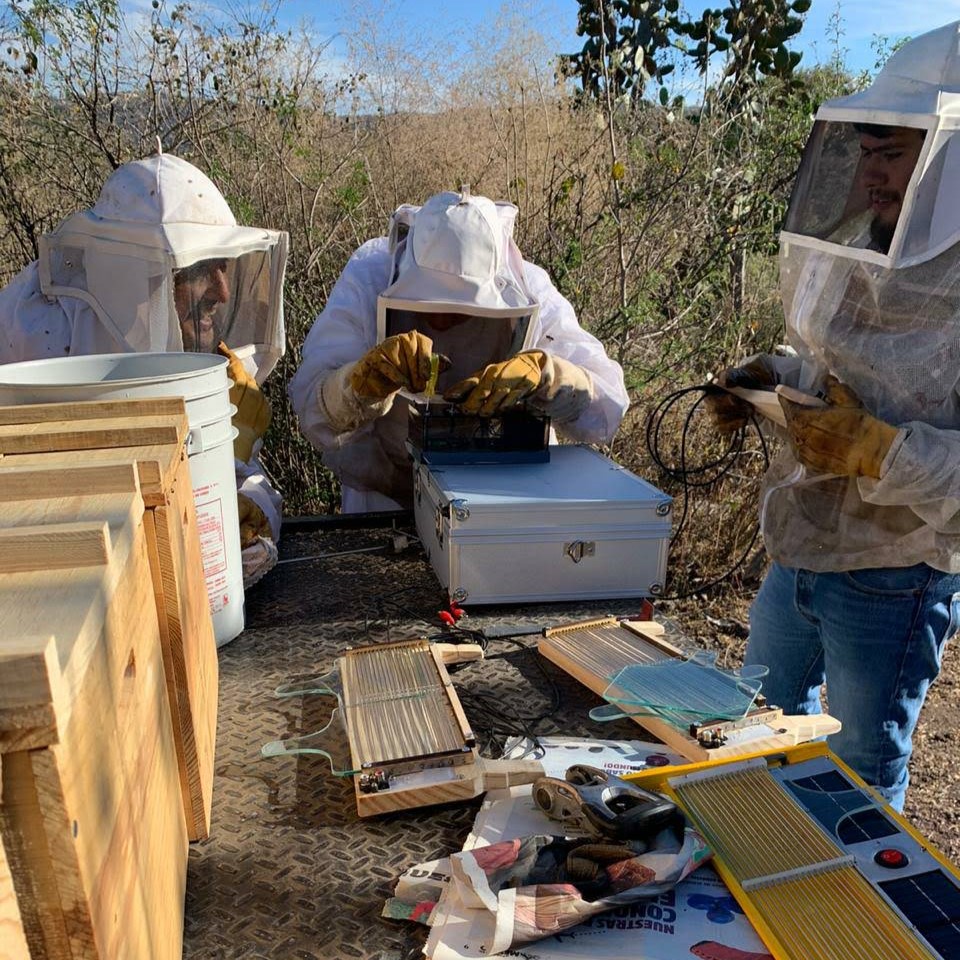
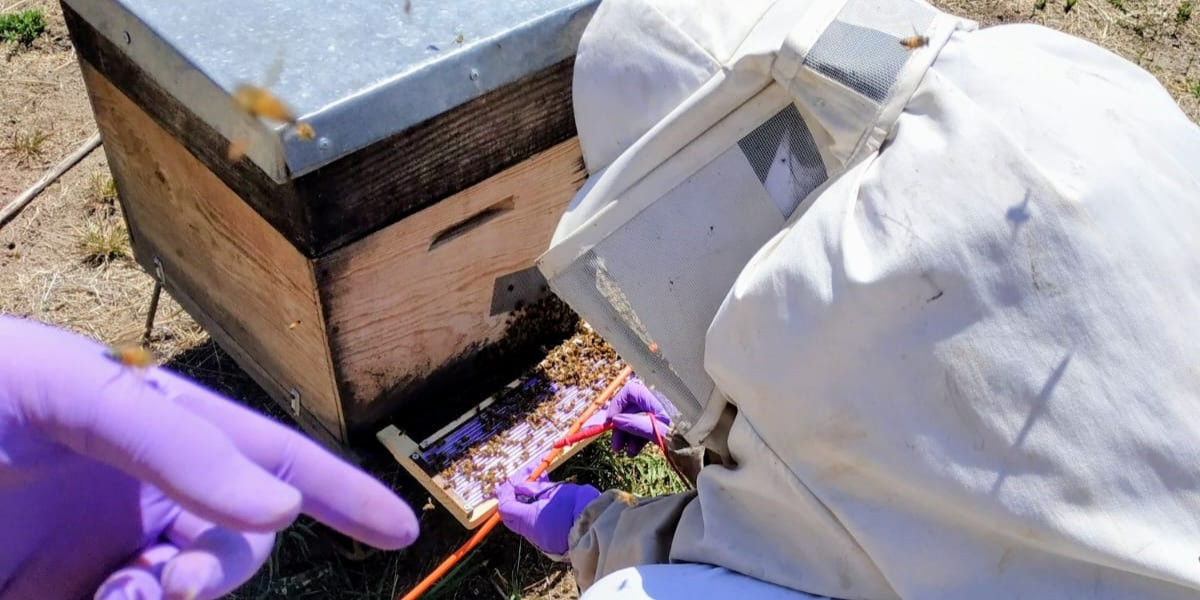
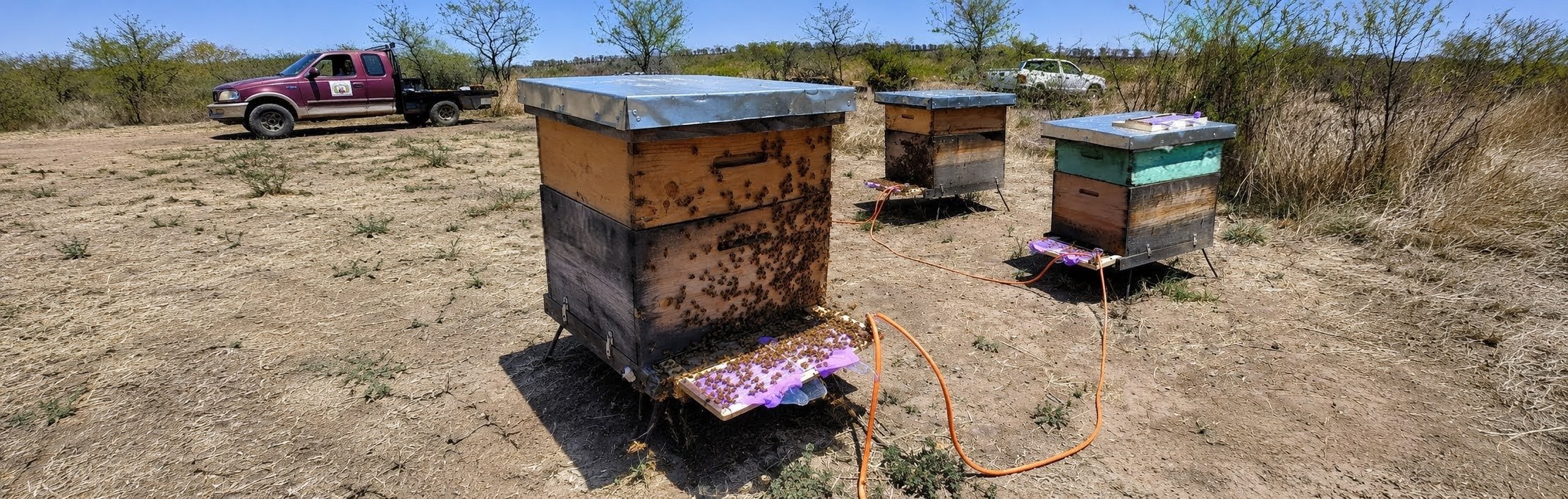
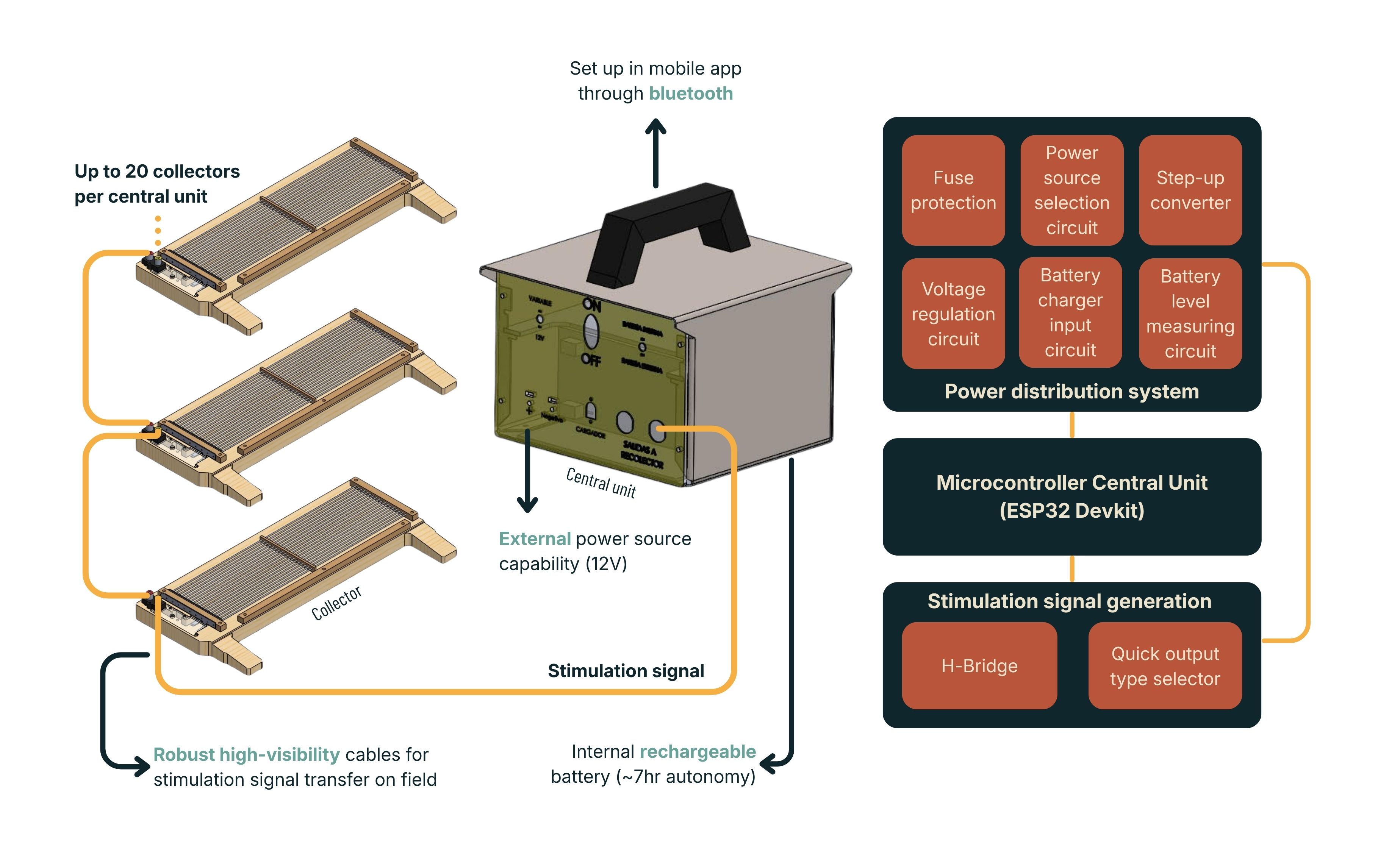
The first iteration tried self-contained collectors — each with its own signal generator. It worked but was expensive and complex. We pivoted to a centralized architecture: one "brain" unit generates the stimulation signals and manages power, while up to 20 slave collectors connect to it in parallel via RCA cables. The slaves carry no electronics — they're rugged, replaceable, and low-cost.
Multi-domain ownership
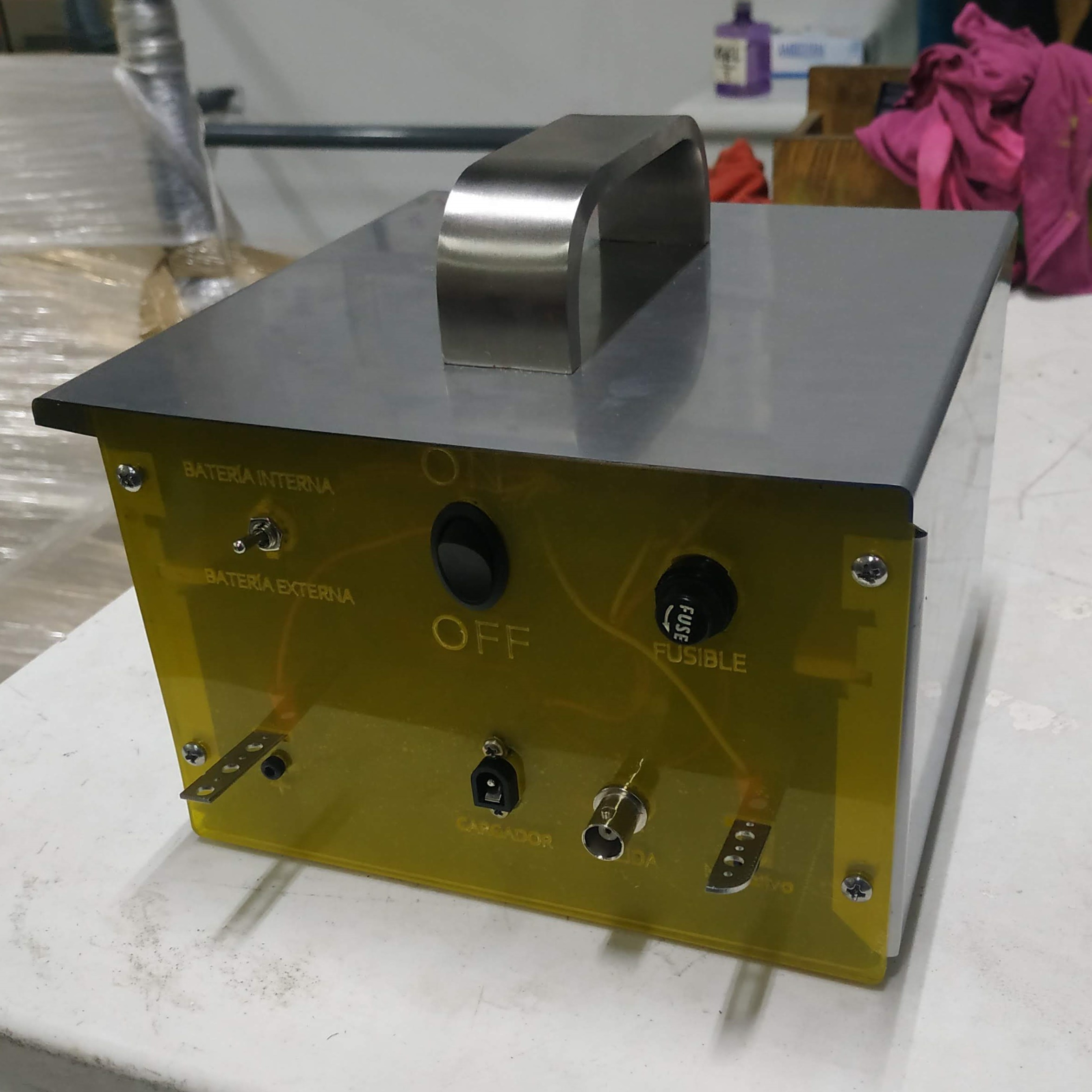
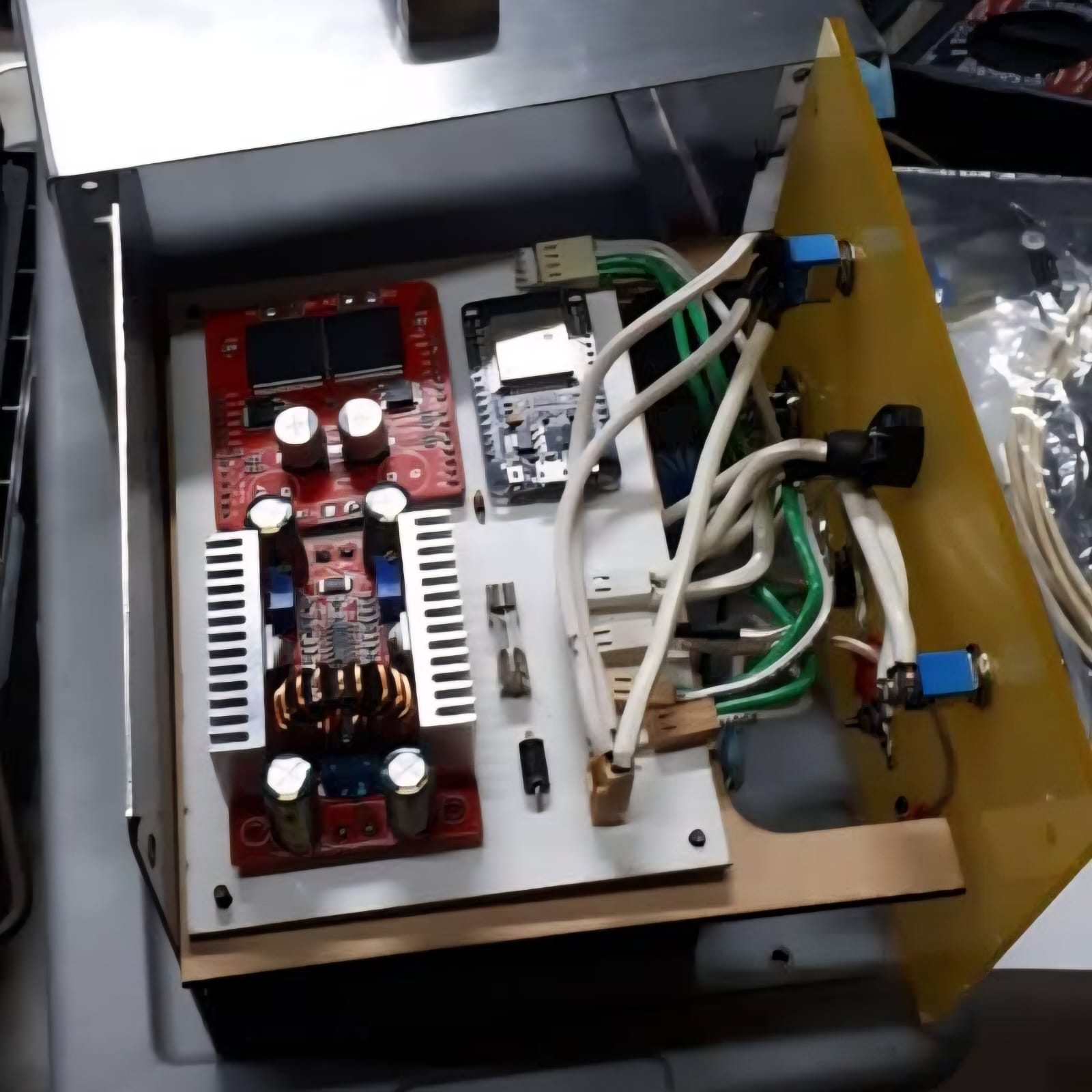
| Electronics | Custom PCB integrating H-bridge signal generation, power management, ESP32 controller, and an output selector for DC vs. square-wave bipolar output. |
|---|---|
| Firmware | C/C++ on ESP32 — signal pattern generation with configurable frequency, amplitude, and duty cycle; activation cycles tuned to research-backed safety limits. |
| Field-ready power | Dual power input (internal 12V lead-acid battery + external automotive battery via alligator clips); ~7 h autonomy at full load (20 collectors); rugged RCA + BNC connectors. |
| Signal research | Reviewed existing devices (some at up to 33V); ran field tests to find the safe envelope. Settled on 9–12V output, ≤10 min activation cycles — minimizing bee mortality while maintaining stimulation. |
Key technical insight
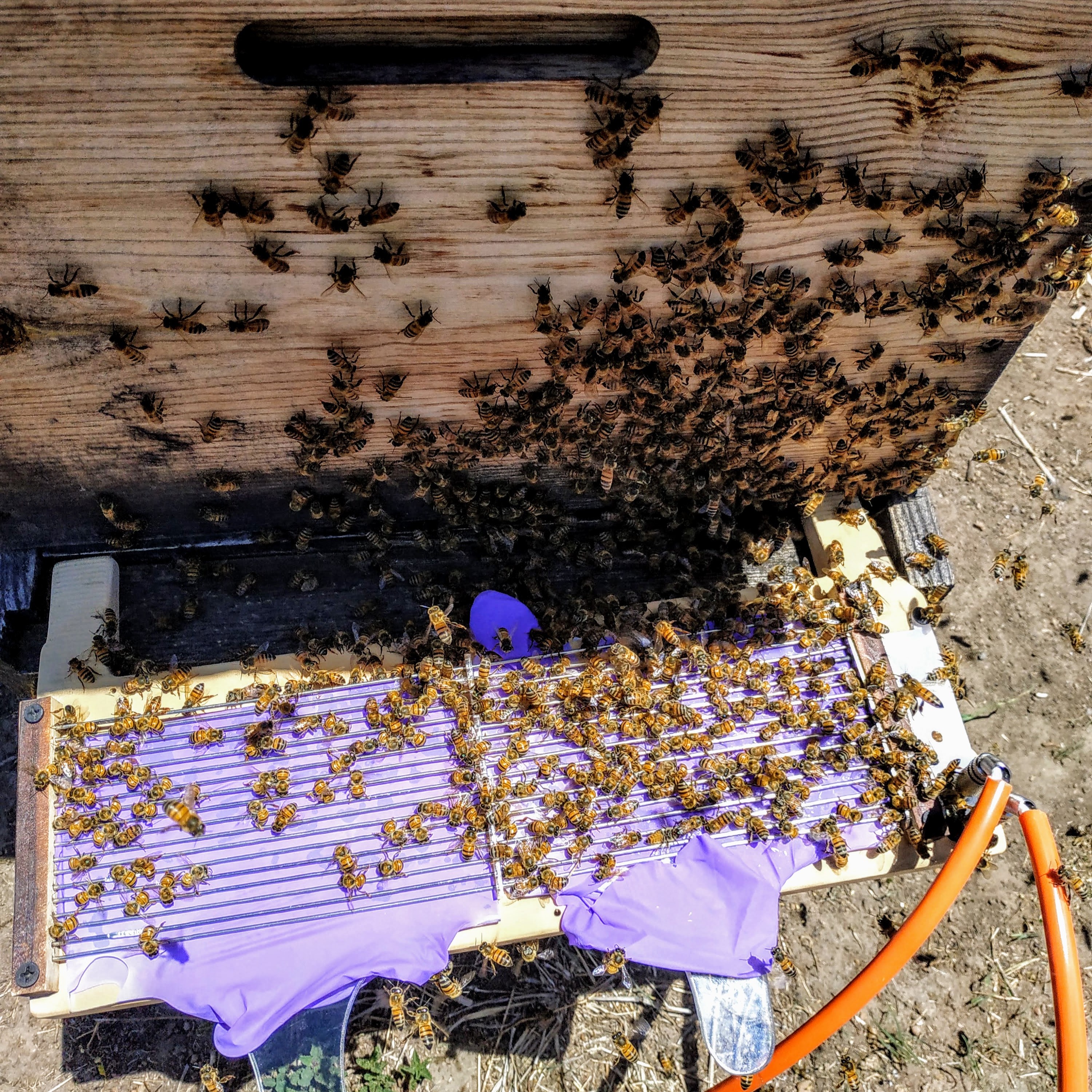
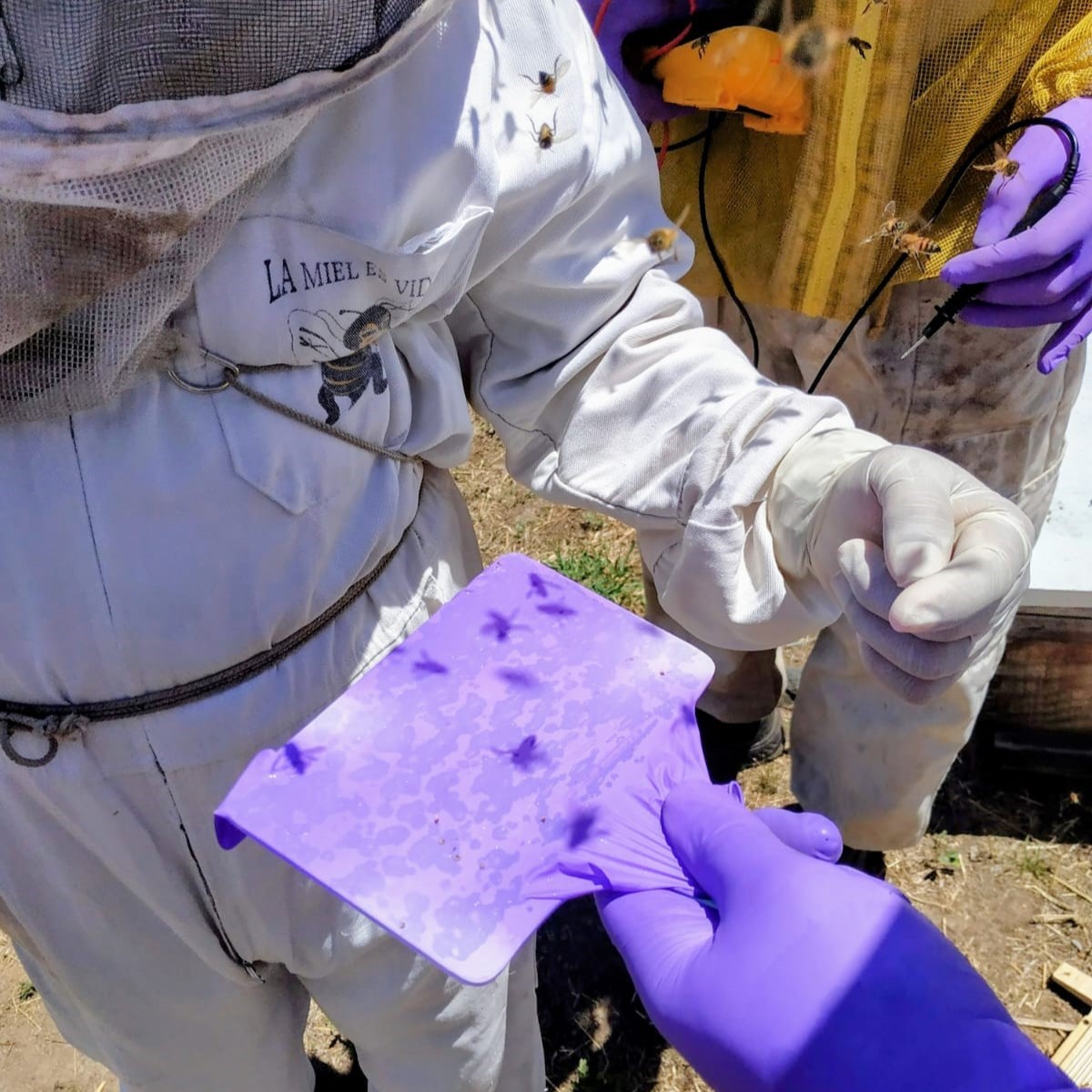
Existing devices used DC signals. In our field tests, we discovered that square-wave bipolar signals (alternating polarity) provoked stronger, more localized stinging — bees seemed disoriented by the alternating field and stung more actively at the collection surface. This became the dominant operating mode of the final product.
Iteration discipline
Three iterations, each driven by direct field testing with the beekeeper:
- Standalone collectors → too expensive
- Centralized brain + simple slaves → working but fragile
- Rugged outdoor-grade version → battery upgrades, robust cabling, reliability fixes
Every iteration involved on-site testing alongside the client, whose decades of beekeeping experience interpreted the bees' behavior in ways no datasheet could.
What it achieved
Final specs
- Brain: 100 mA · 12V DC input · 8.5 Vrms square-wave bipolar output
- Slaves: 165 mA at full load · pine/cedar wood + resin housing
- Operating envelope: 9–12V, ≤10 min activation cycles
- Battery: 7 h autonomy at full load · rugged case 40 × 40 × 91 cm
Video — EDAPI collecting venom in the field
What I took from it
EDAPI taught me that engineering decisions in field-deployed hardware are not just technical — they're collaborative. The single most valuable design choice (bipolar signaling) came from observing real bees in the field, not from a datasheet. Working directly with the end user changed how I think about specification gathering for every project since.
Process & details